The 1950s housewife has achieved mythical status in American culture, I think, but it's the 1940s Housewife that I am most in awe of,
especially the British one.
She had to take what she could get and do what she could to feed her family while the main wage-earner was off fighting a world war. She had no dishwasher, no, microwave, no freezer, and probably no refrigerator. I've tried it out - I lasted two days. I may try again, see if I'm any tougher. Here's a lady who's taken it to an awesome level, cooking daily on British 1940s rations- The 1940s Experiment
Showing posts with label Non-Fiction. Show all posts
Tuesday, January 13, 2015
Monday, January 12, 2015
One of the Women Behind One of the Men Who Saved the World
I would say British Prime Minister Winston Churchill, one of the men who saved the world during
World War II, was produced and supported by three incredible women, his wife Clementine, his nanny Mrs. Everest, and his mother Jennie Jerome of Brooklyn, New York. Wasn't she a knockout?
If you watch Downton Abbey you're probably aware of the Dollar Princesses, the American heiresses who crossed the Atlantic to marry into the British nobility. Consuelo Vanderbilt was probably the most famous, because she snagged the biggest fish, the Duke of Marlborough.
The English were broke, but had castles and cool aristocratic titles, and the Americans were filthy rich social climbers - it was a match made in elite heaven.
Even the late Diana, Princess of Wales counts one in her gene pool.
In any case, Jennie Jerome snagged Lord Randolph Churchill. Maybe we can thank her for familiarizing Winston with American ways, thus empowering him to forge a vital alliance between Great Britain and the United States.
World War II, was produced and supported by three incredible women, his wife Clementine, his nanny Mrs. Everest, and his mother Jennie Jerome of Brooklyn, New York. Wasn't she a knockout?
If you watch Downton Abbey you're probably aware of the Dollar Princesses, the American heiresses who crossed the Atlantic to marry into the British nobility. Consuelo Vanderbilt was probably the most famous, because she snagged the biggest fish, the Duke of Marlborough.
The English were broke, but had castles and cool aristocratic titles, and the Americans were filthy rich social climbers - it was a match made in elite heaven.
Even the late Diana, Princess of Wales counts one in her gene pool.
In any case, Jennie Jerome snagged Lord Randolph Churchill. Maybe we can thank her for familiarizing Winston with American ways, thus empowering him to forge a vital alliance between Great Britain and the United States.
Sunday, January 11, 2015
Time Machines
*Picture from the 1960 movie based on the novel by H.G. Wells.*The concept of time travel was first popularized by H.G. Wells' novel, The Time Machine over a hundred years ago. In it, he explores a dismal future of how humanity might evolve. I rather prefer the optimistic future theorized in Star Trek, which is dotted with time travel stories through various means.
Goshdarnit, I still haven't gotten the Time Machine I asked Santa for, but I've learned there's other ways to time travel. Reading great novels that take you away from it all in your own imagination is just one way.
Going Vintage is another way.
Okay, this is My Sunday Best - it's not just about the glamorous style. It's the attitude. I've now read and explored many YouTube channels, blogs, Facebook Pages, and such and all of them put forward an attitude of kindness and a return to good manners, doing your best and showing mutual respect, slowing down and enjoying the beauty of those you love.
Visit any Facebook Page for a news outlet, read any post, and you see that most of the comments are full of insults and obscenities, not to mention no attempt at good grammar and spelling. (I'm no Grammar Guru myself, but I do try.) It's a sad commentary on our society and it's easy to feel alone in your desire for a simpler, kinder way of life.
Right now, my mind is pondering Table Manners. I grew up in a family in which there was a lot of yelling and throwing of food at the table. I want good Table Manners and I want to teach them to my children. But, the whole subject causes me anxiety - the table was not a happy place when I was growing up. So...I'm starting from scratch on this one.
I've found instructional videos from the 1950s on YouTube for table manners and this seems to work better for me. Here's one- https://www.youtube.com/watch?v=wA5y3wEJ7pA And there are many more modern ones too. I think in pictures. It goes back to that phrase I came up with while watching Time Warp Wives - 'Visually Proactive.'
Figure out what you want to change in your life and find your Time Machine. That's My Sunday Best. ;)
Friday, January 9, 2015
Style Me Vintage, a series by various authors
If you want to go Vintage, Retro, and/or Rockabilly, there are plenty of resources. I found several lovely YouTube geniuses, like Vintage Vanity, but, of course, I also went straight to the library.
I used to have a huge European pram to haul my library books home in, but my 'baby' is waaaaay too big for that now. I must have been a sight, struggling under my huge stack of books to the car. But, I don't care. Good books are more important than worrying how I look hauling them. I need a utility cart I sometimes see ladies go shopping with.
Anyway, I found a wonderful series on how to do your hair, make-up, and clothes in the vintage style. I like the one pictured and link the best, probably because it covers the most. I particularly like the section in which they reference the style icon of that decade. For general look, it turns out I'm more like Rita Hayworth, the 1940s icon, than Marilyn Monroe, the 1950s icon, but I am okay with that.
I like long, red hair -- and so does my husband! So, I figure that makes me a 1940s starlet on the verge of an upbeat new decade, just getting the new red lipstick and full skirts I couldn't have during the austere war years. Uh, yeah, that's it!
Anyway, these are good books to get into it with. I checked them out from the library and if I could choose only one to buy it would the one on clothes, hair, and make-up combined. http://www.unique-vintage.com/style-me-vintage-step-by-step-retro-look-book-sku-65632.html?gclid=CPXR06_JicMCFQaDfgod94YAvw
FYI- There are three different groups within this style, as far as I can tell as a newbie. It seems to me the Vintage Purists are at one end of the spectrum, Retro somewhere in the middle, and Rockabilly's on the other end. They're all a lot of fun, super kind, and wonderfully imaginative. Although I've always had a vintage heart, I'm new to all this. But, if you explore the link list on the left sidebar, you'll see several different examples of each.
I think I would be a Vintage Purist, if I could, but my husband and children are too 21st century for that. So, I'm probably somewhere in the middle of Retro. I remember when I first watched the documentary Time Warp Wives the phrase "visually proactive" came to me. I think that means there is something in the mind and heart which these ladies have become visually proactive in pursuing along their path in life. And I happen to find it truly inspirational. ;)
I used to have a huge European pram to haul my library books home in, but my 'baby' is waaaaay too big for that now. I must have been a sight, struggling under my huge stack of books to the car. But, I don't care. Good books are more important than worrying how I look hauling them. I need a utility cart I sometimes see ladies go shopping with.
Anyway, I found a wonderful series on how to do your hair, make-up, and clothes in the vintage style. I like the one pictured and link the best, probably because it covers the most. I particularly like the section in which they reference the style icon of that decade. For general look, it turns out I'm more like Rita Hayworth, the 1940s icon, than Marilyn Monroe, the 1950s icon, but I am okay with that.
I like long, red hair -- and so does my husband! So, I figure that makes me a 1940s starlet on the verge of an upbeat new decade, just getting the new red lipstick and full skirts I couldn't have during the austere war years. Uh, yeah, that's it!
Anyway, these are good books to get into it with. I checked them out from the library and if I could choose only one to buy it would the one on clothes, hair, and make-up combined. http://www.unique-vintage.com/style-me-vintage-step-by-step-retro-look-book-sku-65632.html?gclid=CPXR06_JicMCFQaDfgod94YAvw
FYI- There are three different groups within this style, as far as I can tell as a newbie. It seems to me the Vintage Purists are at one end of the spectrum, Retro somewhere in the middle, and Rockabilly's on the other end. They're all a lot of fun, super kind, and wonderfully imaginative. Although I've always had a vintage heart, I'm new to all this. But, if you explore the link list on the left sidebar, you'll see several different examples of each.
I think I would be a Vintage Purist, if I could, but my husband and children are too 21st century for that. So, I'm probably somewhere in the middle of Retro. I remember when I first watched the documentary Time Warp Wives the phrase "visually proactive" came to me. I think that means there is something in the mind and heart which these ladies have become visually proactive in pursuing along their path in life. And I happen to find it truly inspirational. ;)
Tuesday, January 6, 2015
Vintage Housewife
The 1950’s housewife has been much maligned in her pearls, joyfully scrubbing the kitchen floor while looking after her husband and impeccable
offspring.
The distaste, of course, comes from the fact that all women
were expected to fulfill that role back then.
A mother who worked outside the home was met with disdain. But, are we any better nowadays? By that I mean, are we happier, better
women? Sometimes I wonder. The reason is nowadays women have choices,
which is great! But, that doesn’t stop
them from criticizing, ridiculing, and even insulting the choices of other
women. How is it not sexist to insult
the choice of a woman to stay home, wear pearls, scrub her kitchen floor, and
look after her husband and children? She’s
a woman and that is her choice. Should
she not be applauded for making that choice?
I think so.
Of course, I've seen it go both ways. Some stay-at-home mothers criticize work-outside-the-home mothers too.
Yes, I’m a housewife, a stay-at-home mother. Although I aspire to Leave It To Beaver I’m not
there yet. My husband says I’m more
like I Love Lucy – I often mess up with amusing results, but I never stop
trying! And I have red hair...most of the time. Thankfully, he appreciates all that.
There are many resources to vintage homemaking now. My two favorites are Time Warp Wives and The Glamorous Housewife and I'm constantly learning about more.
And here is a modern resource- The Family Manager
Here's a fun British documentary of some women who are what I believe is called 'Vintage Purists' and why they choose this lifestyle- Time Warp Wives documentary The first featured 'wife' is also an accomplished singer and here is her website under her stage name- Lola Lamour
Make your own choices in life! There's plenty of inspiration for them.
Here's a fun British documentary of some women who are what I believe is called 'Vintage Purists' and why they choose this lifestyle- Time Warp Wives documentary The first featured 'wife' is also an accomplished singer and here is her website under her stage name- Lola Lamour
Make your own choices in life! There's plenty of inspiration for them.
Thursday, January 2, 2014
BACK TO THE CABIN by Dale Mulfinger, photographs by Cheryl Koralik
Some may consider this one a 'coffee table book' because of its gorgeous photographs, and they are gorgeous! But, to those of us who long for warm, comfy solitude somewhere out in the middle of nowhere, this is a wonderful guidebook for our imaginations.
My personal favorite is the rock house built into the side of a mountain. It looks half traditional Alaskan fur trapper's combined with the Hobbit Hole.
Of course, there are a range of styles when you talk about the cabin, everything from totally rustic to ultra-modern log mansion. I'm more on the rustic side. I wouldn't want to go anything more high-tech than an antique cookstove from the 1940s. But, that's just me.
The lakeside cabins were cool with their own docks.
I really like the ones with the huge windows all glowing in the night.
There are also some floorplans and décor suggestions too. And one with an adjacent lighthouse. Some like to take old cabins and transform them into modern oasis, which is cool. Not for me though. I'll take that old butter churn and use it the way God intended, thank you very much.
Of course, the rest of my family...uh...not so much. They like to recharge their iPhones and such.
There's some landscaping plans and ideas too. I really like that. I told my husband he must landscape in such a way that it looks awesome, but it looks like it just happened.
Oh, migoodness, there's one picture of a seriously cool kitchen that has an enormous farm sink and ragged old green cupboards.
Another cabin is half-built out of shipping containers.
My favorite is still the Alaskan Furtrapper's Hobbit Hole though.
Definitely get this book if you're at all curious about getting away from it all!
http://www.barnesandnoble.com/w/back-to-the-cabin-dale-mulfinger/1114831432?ean=9781600855214
My personal favorite is the rock house built into the side of a mountain. It looks half traditional Alaskan fur trapper's combined with the Hobbit Hole.
Of course, there are a range of styles when you talk about the cabin, everything from totally rustic to ultra-modern log mansion. I'm more on the rustic side. I wouldn't want to go anything more high-tech than an antique cookstove from the 1940s. But, that's just me.
The lakeside cabins were cool with their own docks.
I really like the ones with the huge windows all glowing in the night.
There are also some floorplans and décor suggestions too. And one with an adjacent lighthouse. Some like to take old cabins and transform them into modern oasis, which is cool. Not for me though. I'll take that old butter churn and use it the way God intended, thank you very much.
Of course, the rest of my family...uh...not so much. They like to recharge their iPhones and such.
There's some landscaping plans and ideas too. I really like that. I told my husband he must landscape in such a way that it looks awesome, but it looks like it just happened.
Oh, migoodness, there's one picture of a seriously cool kitchen that has an enormous farm sink and ragged old green cupboards.
Another cabin is half-built out of shipping containers.
My favorite is still the Alaskan Furtrapper's Hobbit Hole though.
Definitely get this book if you're at all curious about getting away from it all!
http://www.barnesandnoble.com/w/back-to-the-cabin-dale-mulfinger/1114831432?ean=9781600855214
Wednesday, December 4, 2013
THE GREAT INFLUENZA The Story of the Deadliest Pandemic in History by John M. Barry
Good morning, Blog Buds!
.
I know there's a lot of controversy over the Flu Shot these days. I totally get what the opponents say against it, BUT as a history buff I can't help but think of the alternative.
.
World War I is frequently overlooked in history class. And when we do study it, this war which was called 'The War to End All Wars' overshadows another extreme event of the time.
.
The 1918 Flu Pandemic.
.
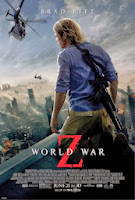
Personally, I believe it is burned into our collective subconscious, however, and that is why Zombie
movies are so popular.
.
The year was 1918 and medicine was progressing as rapidly as other sciences of the time. Doctors had finally learned to wash their hands, thank God, and most accepted that diseases were caused by germs.
.
This book gives you a very thorough study on the doctors and the medical science which raced and struggled to contain this deadly pandemic while people literally died in the streets around them, just like in the movies. A train would leave a station with seemingly healthy people and arrive with mostly dead people. Another book tells the story of a remote ranch where the folks looked out the window to see sick people staggering towards them, desperate for food, water, and medicine.
.
The Flu Pandemic of 1918 killed about 675,000 Americans. To put that into perspective, the United States has about tripled in population since 1910. So...three times 675,000 is...what? About 2 million. Typically, right now in the United States, about 36,000 people die from seasonal flu. Now, imagine that number suddenly shooting up to about 2 million. That's like every man, woman, and child in Houston, Texas dead.
.
The city of Philadelphia lost nearly 5000 people in one week in October. They ran out of coffins and couldn't bury the dead fast enough. That's Philadelphia, folks, right here in the United States of America.
.
Here's another nasty secret from the 1918 flu - it killed mostly young adults.
.
Normally, seasonal flu strikes down the very old and the very young.
.
So, we have millions of young men dying in the trenches of World War I and millions of young men and women dying of the flu at home. And the number was in the millions worldwide, estimates 50 to 100 million people dead worldwide from just the flu. Not the war.
.
And, remember, we've tripled in size since then. So, worst case scenario for today, 300 million worldwide.
.
One poignant story was of a young man who managed to survive brutal combat to finally come home to his wife and children, only to die a week later from the flu. Along with his wife and all but one child, I think it was.
.
Still afraid to get the Flu Shot?
.
Anyway, the book ends with how the 1918 Flu mutated into a less lethal strain, which means, of course, that people never actually defeated this monster. It kinda just moved on to other things. Also, scientists have been digging up the remains of 1918 Flu victims from the Arctic permafrost to try to find a specimen for study, so they can create a vaccine. Just in case the monster ever comes back.
.
Of course, we know there have been lots of other pandemics, like the Black Plague which killed about a third of Europe's population in the Middle Ages. But, by shear numbers, the 1918 Flu Pandemic killed more people than any other and it touched every corner of the globe.
.
A few places did manage to keep the death numbers down by strict quarantine, like Japan. And I think there was an island which managed to escape it altogether the same way.
.
Sometimes, I wonder how we would handle a pandemic like this right now. Sure, we have advanced medical technology. The CDC and the WHO keeps vigilant watch and each state in the union has a pandemic plan in place.
.
But, human nature never changes.
.
Sure, it can be tempered with intelligence and good morals.
.
Nevertheless, I have to ask why didn't other nations put themselves under strict quarantine, like Japan?
.
Greed.
.
They didn't want to stop buying and selling across international or state lines.
.
Do we still have greedy people today? Yes, we do.
.
As the book painfully outlines, there was also a great deal of Denial. People just couldn't wrap their minds around the threat, because their hearts wouldn't let them. And Fear. In Alaska, whole villages full of people all died because they couldn't trust the white people who told them to quarantine themselves and to not gather together in groups. Well, Alaska Natives live very communally by tradition and white people had lied to and brutalized them for hundreds of years. Why would they do what the white people said?
.
Do we still have Fear and Denial today? Yes, we do.
.
So, I'm not gonna tell ya to take the Flu Shot. It's your choice, of course. There's positives and negatives either way.
.
I will tell ya to go get this book though! Cause every choice we make in life has consequences and so every choice ought to be extremely well-informed, methinks.
.
There are several books about the 1918 Flu Pandemic, but this one is the most thorough one for the average reader to get through. And even then it will be hard, because the medical technobabble gets a little challenging at times. Hang in there, though, because it's worth it.
.
Much love, Buds.
.
http://en.wikipedia.org/wiki/1918_flu_pandemic
.
I know there's a lot of controversy over the Flu Shot these days. I totally get what the opponents say against it, BUT as a history buff I can't help but think of the alternative.
.
World War I is frequently overlooked in history class. And when we do study it, this war which was called 'The War to End All Wars' overshadows another extreme event of the time.
.
The 1918 Flu Pandemic..
Personally, I believe it is burned into our collective subconscious, however, and that is why Zombie
movies are so popular.
.
The year was 1918 and medicine was progressing as rapidly as other sciences of the time. Doctors had finally learned to wash their hands, thank God, and most accepted that diseases were caused by germs.
.
This book gives you a very thorough study on the doctors and the medical science which raced and struggled to contain this deadly pandemic while people literally died in the streets around them, just like in the movies. A train would leave a station with seemingly healthy people and arrive with mostly dead people. Another book tells the story of a remote ranch where the folks looked out the window to see sick people staggering towards them, desperate for food, water, and medicine.
.
The Flu Pandemic of 1918 killed about 675,000 Americans. To put that into perspective, the United States has about tripled in population since 1910. So...three times 675,000 is...what? About 2 million. Typically, right now in the United States, about 36,000 people die from seasonal flu. Now, imagine that number suddenly shooting up to about 2 million. That's like every man, woman, and child in Houston, Texas dead.
.
The city of Philadelphia lost nearly 5000 people in one week in October. They ran out of coffins and couldn't bury the dead fast enough. That's Philadelphia, folks, right here in the United States of America.
.
Here's another nasty secret from the 1918 flu - it killed mostly young adults.
.
Normally, seasonal flu strikes down the very old and the very young.
.
So, we have millions of young men dying in the trenches of World War I and millions of young men and women dying of the flu at home. And the number was in the millions worldwide, estimates 50 to 100 million people dead worldwide from just the flu. Not the war.
.
And, remember, we've tripled in size since then. So, worst case scenario for today, 300 million worldwide.
.
One poignant story was of a young man who managed to survive brutal combat to finally come home to his wife and children, only to die a week later from the flu. Along with his wife and all but one child, I think it was.
.
Still afraid to get the Flu Shot?
.
Anyway, the book ends with how the 1918 Flu mutated into a less lethal strain, which means, of course, that people never actually defeated this monster. It kinda just moved on to other things. Also, scientists have been digging up the remains of 1918 Flu victims from the Arctic permafrost to try to find a specimen for study, so they can create a vaccine. Just in case the monster ever comes back.
.
Of course, we know there have been lots of other pandemics, like the Black Plague which killed about a third of Europe's population in the Middle Ages. But, by shear numbers, the 1918 Flu Pandemic killed more people than any other and it touched every corner of the globe.
.
A few places did manage to keep the death numbers down by strict quarantine, like Japan. And I think there was an island which managed to escape it altogether the same way.
.
Sometimes, I wonder how we would handle a pandemic like this right now. Sure, we have advanced medical technology. The CDC and the WHO keeps vigilant watch and each state in the union has a pandemic plan in place.
.
But, human nature never changes.
.
Sure, it can be tempered with intelligence and good morals.
.
Nevertheless, I have to ask why didn't other nations put themselves under strict quarantine, like Japan?
.
Greed.
.
They didn't want to stop buying and selling across international or state lines.
.
Do we still have greedy people today? Yes, we do.
.
As the book painfully outlines, there was also a great deal of Denial. People just couldn't wrap their minds around the threat, because their hearts wouldn't let them. And Fear. In Alaska, whole villages full of people all died because they couldn't trust the white people who told them to quarantine themselves and to not gather together in groups. Well, Alaska Natives live very communally by tradition and white people had lied to and brutalized them for hundreds of years. Why would they do what the white people said?
.
Do we still have Fear and Denial today? Yes, we do.
.
So, I'm not gonna tell ya to take the Flu Shot. It's your choice, of course. There's positives and negatives either way.
.
I will tell ya to go get this book though! Cause every choice we make in life has consequences and so every choice ought to be extremely well-informed, methinks.
.
There are several books about the 1918 Flu Pandemic, but this one is the most thorough one for the average reader to get through. And even then it will be hard, because the medical technobabble gets a little challenging at times. Hang in there, though, because it's worth it.
.
Much love, Buds.
.
http://en.wikipedia.org/wiki/1918_flu_pandemic
Wednesday, November 27, 2013
DUST OF EDEN by Mariko Nagai
Good morning, Blog Buds!
I had no idea Japanese Americans were interned in camps during World War II until I was in high school and I picked up a book about it on my own time. It wasn't taught in school back then, but I hope it is now. Farewell to Manzanar
You see, folks, this is why it's good to nurture the love of learning and stories your children are born with. That way they can educate themselves if there are any gaps in their schooling.
.
DUST OF EDEN is written poetically and in first person. The author recounts first learning of the Japanese attack on Pearl Harbor, Hawaii on December 7, 1941. Within seconds, she starts hearing people say 'Jap' and looking at her in disgust.
.
Ever wonder why German Americans weren't hauled away in massive numbers to internment camps? Well, because they look like most of the rest of us, that's why. It's a knee-jerk reaction to go after the different.
.
So, the author's mother teaches her to keep her back straight anyway and her best friend says it doesn't matter. She goes to Sunday School and celebrates Christmas.
.
The men from the government come and take her daddy away for questioning, upsetting the normalcy of even her homelife.
.
There's a saying and it's true. "Children are not born hating." But, they can and frequently are taught rather quickly. As this story tells, children learn to hate themselves at the same time.
.
The time comes to be taken away to the internment camp. They're told it's for their own good and safety, but that's a lie and they know it. But, what other choice do they have. Grandpas is old and father's in prison. Big brother gets into fights everyday over the injustice of it all, accomplishing nothing, of course.
.
Besides their home, the pet cat must stay behind. They can only take two suitcases each. It's hard to imagine this happening in the good ol' US of A. Isn't it? But, there is still goodness and rational minds. Jamie, her best friend, promises to care for the cat and to write letters. Not all the people are taunting them, some are upset and weeping as the Japanese Americans are herded away like cattle.
.
When they get to the euphemistically named Camp Harmony, they have to gather hay to make into mattresses for sleeping on. Not exactly glamorous. They're obliged to submit to intrusive medical exams and their belongings are rifled through. It's all very humiliating.
.
Rumor of a man being shot for trying to leave and another move to yet another camp continues the misery. Barbed wire, armed guards, lines to the common bathrooms, and being at the mercy of the really lousy food because there is nothing else.
.
There's a saying you'll discover when you read about the Jewish Holocaust, "Never again." Wise words. But, I wonder if anything like the internment of Japanese Americans could happen again, possibly to another group of undesirables, politically opponents or something.
.
God, I hope not.
.
Get this book. It's one all Americans need to read.
I had no idea Japanese Americans were interned in camps during World War II until I was in high school and I picked up a book about it on my own time. It wasn't taught in school back then, but I hope it is now. Farewell to Manzanar
You see, folks, this is why it's good to nurture the love of learning and stories your children are born with. That way they can educate themselves if there are any gaps in their schooling.
.
DUST OF EDEN is written poetically and in first person. The author recounts first learning of the Japanese attack on Pearl Harbor, Hawaii on December 7, 1941. Within seconds, she starts hearing people say 'Jap' and looking at her in disgust.
.
Ever wonder why German Americans weren't hauled away in massive numbers to internment camps? Well, because they look like most of the rest of us, that's why. It's a knee-jerk reaction to go after the different.
.
So, the author's mother teaches her to keep her back straight anyway and her best friend says it doesn't matter. She goes to Sunday School and celebrates Christmas.
.
The men from the government come and take her daddy away for questioning, upsetting the normalcy of even her homelife.
.
There's a saying and it's true. "Children are not born hating." But, they can and frequently are taught rather quickly. As this story tells, children learn to hate themselves at the same time.
.
The time comes to be taken away to the internment camp. They're told it's for their own good and safety, but that's a lie and they know it. But, what other choice do they have. Grandpas is old and father's in prison. Big brother gets into fights everyday over the injustice of it all, accomplishing nothing, of course.
.
Besides their home, the pet cat must stay behind. They can only take two suitcases each. It's hard to imagine this happening in the good ol' US of A. Isn't it? But, there is still goodness and rational minds. Jamie, her best friend, promises to care for the cat and to write letters. Not all the people are taunting them, some are upset and weeping as the Japanese Americans are herded away like cattle.
.
When they get to the euphemistically named Camp Harmony, they have to gather hay to make into mattresses for sleeping on. Not exactly glamorous. They're obliged to submit to intrusive medical exams and their belongings are rifled through. It's all very humiliating.
.
Rumor of a man being shot for trying to leave and another move to yet another camp continues the misery. Barbed wire, armed guards, lines to the common bathrooms, and being at the mercy of the really lousy food because there is nothing else.
.
There's a saying you'll discover when you read about the Jewish Holocaust, "Never again." Wise words. But, I wonder if anything like the internment of Japanese Americans could happen again, possibly to another group of undesirables, politically opponents or something.
.
God, I hope not.
.
Get this book. It's one all Americans need to read.
Wednesday, November 20, 2013
MY PET CHICKEN by Lissa Lucas & Traci Torres
***This book comes out February 2014.***
.
.
Description
The backyard chicken is the new "it" pet—and with good reason: These birds are personable, beautiful, and (mostly) low maintenance. But they’re not without their quirks and sometimes puzzling behaviors.
That’s where the experts at MyPetChicken.com have a beak up on the competition—they hear from chicken keepers daily and offer advice about common mistakes and pitfalls that occur when raising a flock of chickens in the backyard. And customers tell them that the advice they most appreciate is actually how not to raise chickens, what not to do, and why not to panic.
The handbook helps potential chicken owners decide whether chicken keeping is right for them, how to make the best choices for their situations, how to start planning for the new pets, and—most importantly—how to head off potential trouble before the chicks arrive. Detailed care instructions for baby chicks and mature hens help to ensure a friendly and enjoyable flock. Covering both the good and the "oh no" experiences that beginners and avid backyard farmers experience, topics include choosing coops, planning a daily routine, learning about sanitation practices, and discovering signs of distress. Then the joy of chicken keeping comes full "ovoid" with 50 recipes for breakfast, lunch, and dinner, featuring the incredible and versatile egg, from homemade egg noodles and sesame mayonnaise to a vegetable frittata and caramel custard.
That’s where the experts at MyPetChicken.com have a beak up on the competition—they hear from chicken keepers daily and offer advice about common mistakes and pitfalls that occur when raising a flock of chickens in the backyard. And customers tell them that the advice they most appreciate is actually how not to raise chickens, what not to do, and why not to panic.
The handbook helps potential chicken owners decide whether chicken keeping is right for them, how to make the best choices for their situations, how to start planning for the new pets, and—most importantly—how to head off potential trouble before the chicks arrive. Detailed care instructions for baby chicks and mature hens help to ensure a friendly and enjoyable flock. Covering both the good and the "oh no" experiences that beginners and avid backyard farmers experience, topics include choosing coops, planning a daily routine, learning about sanitation practices, and discovering signs of distress. Then the joy of chicken keeping comes full "ovoid" with 50 recipes for breakfast, lunch, and dinner, featuring the incredible and versatile egg, from homemade egg noodles and sesame mayonnaise to a vegetable frittata and caramel custard.
.
My Take: As a chicken-keeper, I can remember starting out and gleaning information wherever I can find it on the Internet, books, and magazines. MY PET CHICKEN gives you all that in one beautiful book. There are even graphs comparing the different breeds. I can tell you it's important to have an appropriate breed for you living situation and lifestyle. If you live in suburbia, you need a quiet, docile chicken who is not driven by instinct to go foraging all over your neighborhood. We had one of those, a Buff Orpington. Unfortunately, she defied her breed and went foraging all over the neighborhood anyway, a real Houdini. Thankfully, the neighbors loved her!
.
The traits of each breed are described well. Besides the above, you should look at whether the breed does well for your area's climate. We lived in Alaska when I started with chickens! I can tell you there's a lot of chicken-keeping chores during a Northern winter, like making sure the water doesn't freeze, that no one's getting frostbite, etc...
.
The authors also discuss how to go about getting your chickens. If you're suburbia and especially if you have children, I suggest starting with chicks. That way, they grow up used to being played with and with no interest in wandering the neighborhood because they know they got it good with you. It's more work to start with chicks and you have to wait longer for eggs, but in my experience it's worth it!
.
So, if you're thinking about chickens, the hottest new pet in town, I strongly recommend this book as a great place to start. You can pre-order it from Barnes and Noble
Wednesday, November 13, 2013
LOG CABIN DUTCH OVEN by Colleen Sloan
I found this little gem in a used book store and let out a "squuueee!" which I'm sure could be heard for several city blocks.
Chuck the dang microwave! Okay, maybe not just yet.
.
I have been fascinated by Dutch Ovens since I first watch Frontier House, the PBS historical reality show about pioneer life. Here's the series on YouTube- http://www.youtube.com/watch?v=mfUgTWJ4ngE&list=PL872C99D9FA0E253E
At some point during the first episode, the families are taught how to cook over an outdoors firepit with a dutch oven. And, believe you me, it's no easy task! If you're used to 'one minute on high' and then push the button, honey, you gotta 'nother thing comin'! However, I'm told once you get the hang of it, you'll love it and it's easy enough just because of that.
.
So, after I watched Frontier House, I had a hard time finding books on cooking outside with dutch ovens. I did find a couple in the camping section, Roughing It Easy by Dian Thomas

and Ultimate Camp Cooking by Mike Faverman and Pat Mac
Since then, I've found several other newer releases, gorgeous enough to be coffee table books. I've read all that I could get my hands on, but none of them are as easy to learn the basics from than Colleen Sloan's book. I'm not sure, but appears to have been self-published at first. My copy is very old. But, now it's out with Gibbs Smith
Ms. Sloan takes you through the basics, your tools, seasoning the cast iron, judging the temperature, how many coals on top of the lid, and so on, and, of course, some fabulous recipes.
So, if you're a Hobby Farmer, like me, or daydreaming about camping in the Spring, also like me, get you one of these books and start learning. I don't think I can wait until Spring. I think I'm gonna have to take my bad girl out into the snow.
Much love, Buds.
http://www.barnesandnoble.com/w/log-cabin-dutch-oven-colleen-sloan/1112058965?ean=9781423631354
Chuck the dang microwave! Okay, maybe not just yet.
.
I have been fascinated by Dutch Ovens since I first watch Frontier House, the PBS historical reality show about pioneer life. Here's the series on YouTube- http://www.youtube.com/watch?v=mfUgTWJ4ngE&list=PL872C99D9FA0E253E
At some point during the first episode, the families are taught how to cook over an outdoors firepit with a dutch oven. And, believe you me, it's no easy task! If you're used to 'one minute on high' and then push the button, honey, you gotta 'nother thing comin'! However, I'm told once you get the hang of it, you'll love it and it's easy enough just because of that.
.So, after I watched Frontier House, I had a hard time finding books on cooking outside with dutch ovens. I did find a couple in the camping section, Roughing It Easy by Dian Thomas

and Ultimate Camp Cooking by Mike Faverman and Pat Mac
Since then, I've found several other newer releases, gorgeous enough to be coffee table books. I've read all that I could get my hands on, but none of them are as easy to learn the basics from than Colleen Sloan's book. I'm not sure, but appears to have been self-published at first. My copy is very old. But, now it's out with Gibbs Smith
Ms. Sloan takes you through the basics, your tools, seasoning the cast iron, judging the temperature, how many coals on top of the lid, and so on, and, of course, some fabulous recipes.
So, if you're a Hobby Farmer, like me, or daydreaming about camping in the Spring, also like me, get you one of these books and start learning. I don't think I can wait until Spring. I think I'm gonna have to take my bad girl out into the snow.
Much love, Buds.
http://www.barnesandnoble.com/w/log-cabin-dutch-oven-colleen-sloan/1112058965?ean=9781423631354
Wednesday, November 6, 2013
NOTHING TO TELL by Donna Gray
Blurb:
Sitting at the kitchen tables of twelve women in their eighties who were born in or immigrated to Montana in the late nineteenth or early twentieth century, between 1982 and 1988 oral historian Donna Gray conducted interviews that reveal a rich heritage. In retelling their life stories, Gray steps aside and allows theses women with supposedly “nothing to tell” to speak for themselves. Pride, nostalgia, and triumph fill a dozen hearts as they realize how remarkable their lives have been and wonder how they did it all.
Some of these women grew up in Montana in one-bedroom houses; others traveled in covered wagons before finding a home and falling in love with Montana. These raw accounts bring to life the childhood memories and adulthood experiences of ranch wives who were not afraid to milk a cow or bake in a wooden stove. From raising poultry to raising a family, these women knew the meaning of hard work. Several faced the hardships of family illness, poverty, and early widowhood. Through it all, they were known for their good sense of humor and strong sense of self.
...Okay, it's me here, Kimber An. We're staying on the family homestead here in Montana right now, so I've enjoyed burying myself in state history.
.
I've posted a bunch of times on my old blogs how much I enjoyed watching Frontier House a historical reality show which put three modern families in 1883 Montana.
There's also a great book with all the details, like what they had to pack and why.
Two of the consultants on the project, Linda Peavy and Ursula Smith wrote the Forward for NOTHING TO TELL. The title is ironic. There is plenty to tell and anyone who is fascinated by pioneer history or Montana really out to get this book. Here's another great book by Peavy and Smith-
.
The trouble with history is most of us were taught to hate it through either a recitation of facts about a bunch of old dead white guys or we were throttled with politically correct revisions of it. The truth will set you free from that, but you've got to go digging for it.
.
The basic truth of it is these were real people who lived, just like us.
.
The ranching women who were interviewed for NOTHING TO TELL had much to teach us about humility, hard work, and enjoying life without iPads and Netflix.
.
I encourage anyone who is curious about how people really lived to pick up this book.
.
The heroes of history, like Davy Crockett and Lewis and Clark, are only a small fraction of it. The rest of it was made up of folks like us, men, women, and children just going about the hard work and fun of daily life.
.
It was fun to read these ladies tell their stories and talk about going to school in this town or to the store over there and I would think, "I know where that is! I've been there before." And history comes alive.
.
Much love, Blog Buds
.
Subscribe to:
Posts (Atom)


